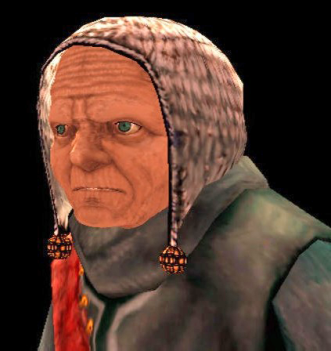
Occasionally I like to take trips into possibility, and flex my English major muscles in the time-honored tradition of finding meaning where there is none. To start with: Devil May Cry 2 is in story primarily an exaggerated scenario of global events driven by powerful individuals operating in large NGOs, akin to a what-if scenario of geopolitical chaos conceptualized by someone who didn’t learn Thompson’s lesson about ether and bat country. In other words, a Kojima game—and yet Devil May Cry 2 could not be more diametrically opposed to the definition. Adding to this claim is my observation (which I will explain in depth) that the events of Devil May Cry 2 would not have happened without Nazis. Let’s begin.
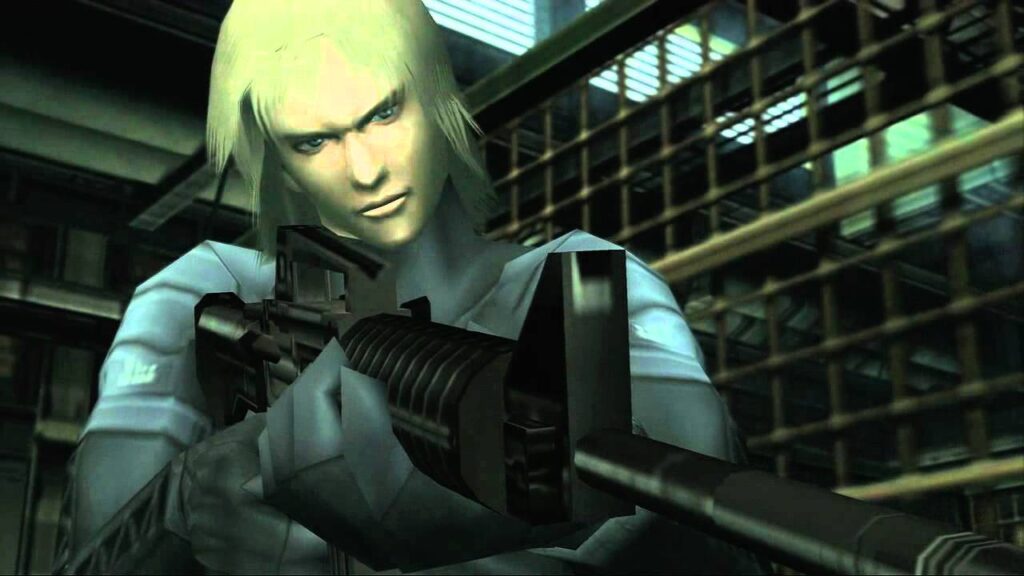
When Devil May Cry 2 was released, only two Metal Gear games were out, the most recent being Metal Gear Solid 2: Sons of Liberty. To vastly sum up, the plot involves a terrorist group known as the Sons of Liberty, but more importantly, a veneer of propriety obscures the truth of forces seeking to dominate the world to their own ends. Whether it’s the reality of the United States being orchestrated politically by a shadowy organization, the real martial threat of massive Metal Gears sought after by the Sons of Liberty, or any number of ostensibly civil, actually deadly forces encountered during the game. In broader terms, it’s an action game strung together by the main character(s) having to wrestle with forces not fully understood, but no less dangerous. They operate in various stages of legality or lack thereof, and while the immediate threat is stopped, there’s the underlying danger of what else may still be out there.
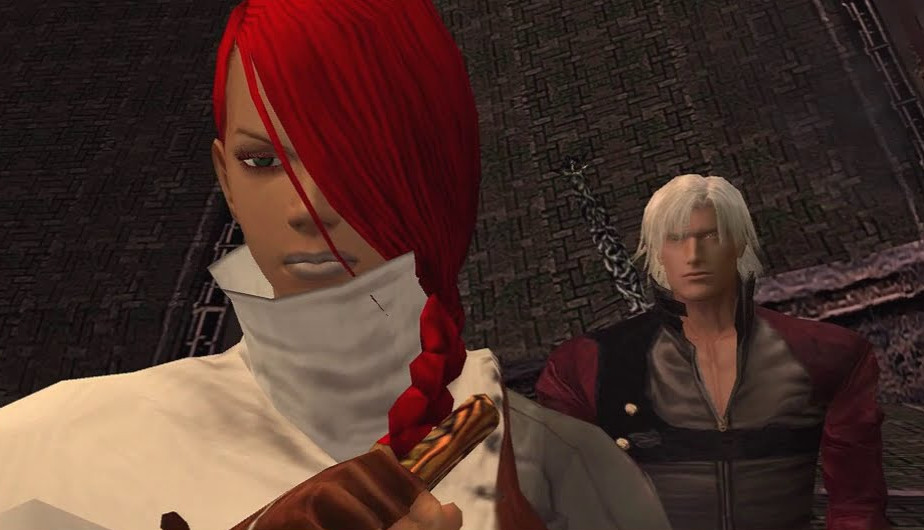
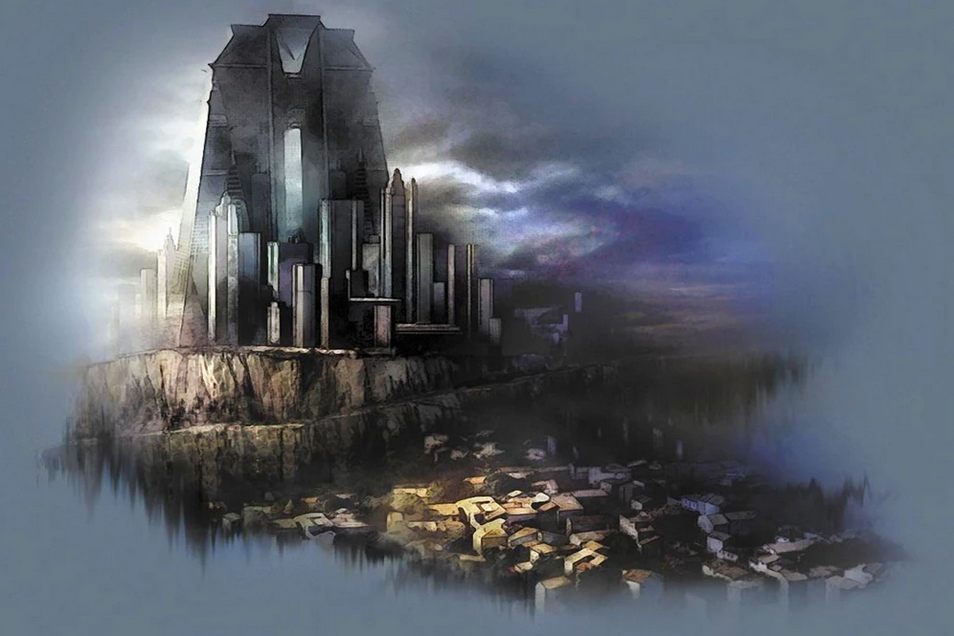
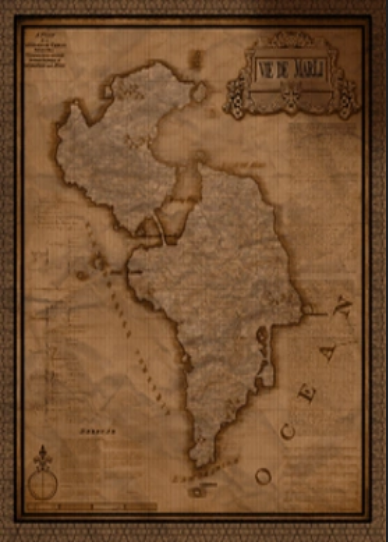
Now, let us look at Devil May Cry 2. It involves Dante, a lone actor who only seeks the destruction of demonic forces, in effect supernatural terrorists who seek dominance and death. His travels take him to Vie de Marli, a suspiciously shaped ‘island’ that’s been all but taken over by the ominously controlling Uroboros corporation. They’ve even constructed a massive city with an even more massive series of skyscrapers dominating the skyline. Uroboros is a legal front for the schemes of one man seeking greater power, as much a government to the region as the actual (perhaps former) government was at one time.

The events of the game exchange revelations for revelry; Dante does not engage in corporate espionage or interaction with the powers that be who may wish to learn about the truth of Uroboros. He hunts devils, and devils he hunts throughout the game. Even Uroboros’ CEO Arius doesn’t escape Dante’s bloody assault, as he’s the mastermind behind the desolation of Vie de Marli. All the potential for a story of action, subterfuge and investigation is there—indeed, Dante is known for his inquisitive eye, a sleuth and slayer simultaneously. Yet it eschews what it could become, embracing the antithesis of a Kojima game while never becoming something entirely divorced from the concept. In essence, a Notjima game. This opposition is embodied in the secondary antagonists for both games: In Metal Gear Solid 2, a no-nonsense woman who wielded preternatural abilities akin to magic, yet was grounded in the practicality of her ideology and tangible goals. In Devil May Cry 2, Arius: a man who embodies style and excess, who rejects subtlety and embraces ostentatious power at all costs.
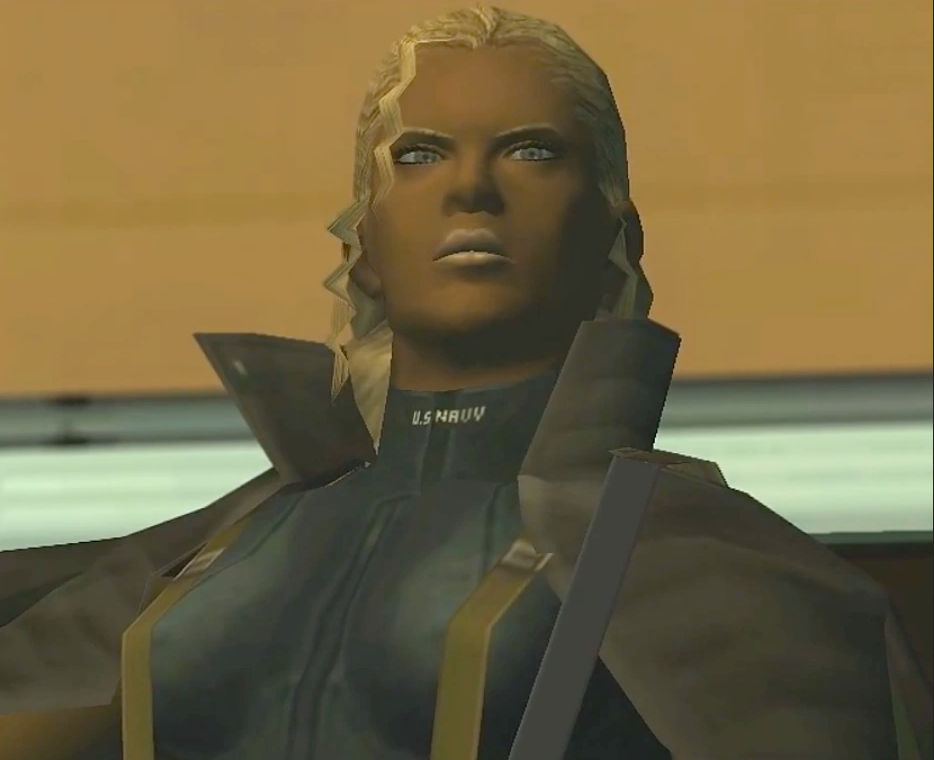
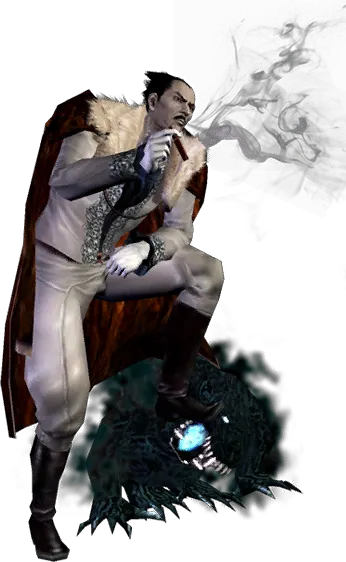
The major issue of this comparison is simply that there’s not enough meat in Devil May Cry 2 to achieve a definitive answer. The game is unfinished, had a 6-month development cycle fueled almost entirely by the efforts of Hideaki Itsuno, who had come in after the previous game director had failed to deliver. Had the game had proper development, we may have seen a sleek opposite to Sons of Liberty able to keep up with the gameplay, tell a story as compelling, but one willingly eschewing depth for a conscious focus on purposeful style instead of weighty substance.
But let’s look closer at the story of Devil May Cry 2 with a broad, open-minded lens. A man driven by occult desires takes his corporation to a region that’s a geological dead ringer for South America. He finds great resources to fuel his dark aspirations, both in manpower and relics.
Decades prior to when the game takes place (admittedly a difficult year to pin down, but the existence of modern tanks and attack helicopters, as well as later games’ examples of technology suggest a safe range is 199X-200X) World War II ended. The Devil May Cry universe doesn’t reference historical events, but it also does not present itself as a different world to ours, save for the existence and prevalence of demonic incursions. This means that it’s just as likely as it’s not that the Thule society of pre-World War I Germany had tangible goals, and achieved tangible success in pursuing them. Occultism was not relegated to hopes and dreams, but reality. In World War II, Nazi Germany may have wielded dark powers in such a scope that Dante’s father, the Legendary Dark Knight Sparda would have likely intervened to ensure the portal to the Demon World isn’t opened by the folly of man. Yet Sparda never seemed to take the personal interest in protecting humanity that the son who inherited his more rebellious nature did. Sparda cared for humanity, but as a whole. He would act to stop the whole from being threatened, but otherwise seemed content to delegate. Therefore, it’s entirely within reason to believe that individual sorcerers and occultists in collapsing Nazi Germany were among those who escaped to far-off lands—including regions of South America.
Arius never expressed disdain for certain portions of humanity. However, he may not be a Nazi, or he may have only aligned with their occult interests. Another cultural export of Japan, the manga/anime Hellsing presents a battalion of card-carrying Nazis who, fueled by otherworldly powers and decades of restraint have rejected wholesale the Nazi ideology—instead only caring for war, slaughter and death, be it their own or the world’s. Arius goes to the same extreme, albeit for selfish greed in seeking ultimate power. Whether humanity lives or dies means little to him, perhaps save for keeping enough alive to serve him as the King of This World.
A man seeking occult power finds the remnants of Nazi achievements in South America. So driven is he, that he utilizes the entirety of his corporation’s power to overtake the continent entirely so he might have unfettered access to what was discovered there. His dark patron Argosax, the great infernal being the Nazis may have sought to call upon—and who was defeated by Sparda decades ago, as told by one of the order serving as the resistance in Vie de Marli. Ultimately, we never hear the details of the story as promised to Dante. He knows all he needs to, because he’s not a historian cataloging the events of a far-off battle: he’s in the battle as it happens. His goal is to stop the evil his father did, not to learn the speciifc details of which human battle he particiapted in. That’s for us, who are cursed to tirelessly adore a series that conflates style with substance—and pulls it off again and again. God bless Kamiya and Itsuno.