I love new technology. I’m too poor to engage with most of it until it’s old news and then some, but I still love reading about it. What fascinates me most is technology that interfaces with us directly—prosthetic limbs, mind-brain interlinks, and us interfacing with virtual worlds (whether it be directly with VR headsets, or the old-school way by blocking everything else that isn’t on that screen out.)
Generative AI, the latest shape of the increasingly-intricate programs and prediction machines we call intelligent, is my latest love. Five years ago it was barely anything to write home about. Now? I open one link, and can have articulate conversations of any topic with a chatbot that can take the persona of anything and anyone that I desire. Another website, and I can spit whatever I want into the text input and receive unique art in seconds. I can even download software to accomplish these things (albeit slower and not quite as polished) on my local machine. The cat’s out of the bag, the genie can’t be put back in the bottle.
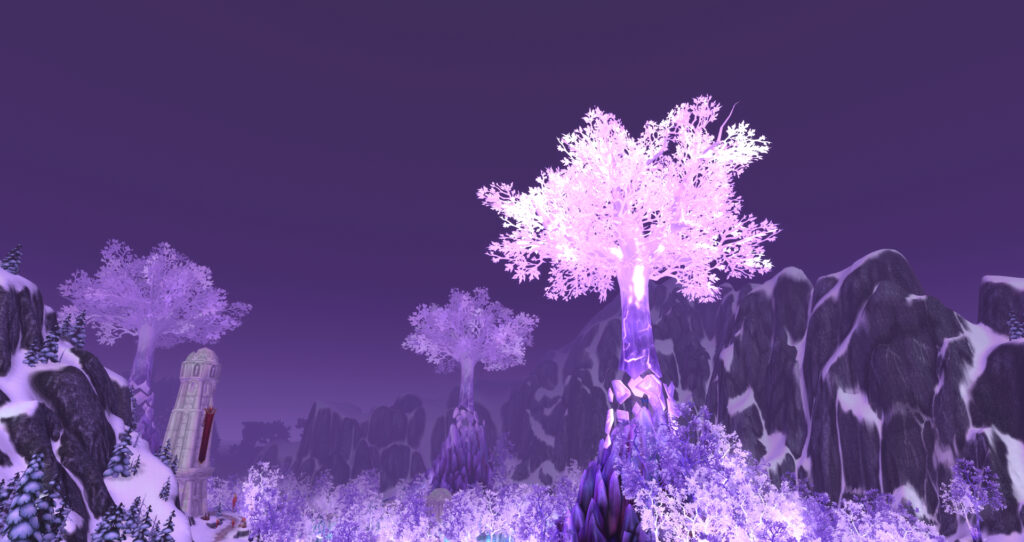
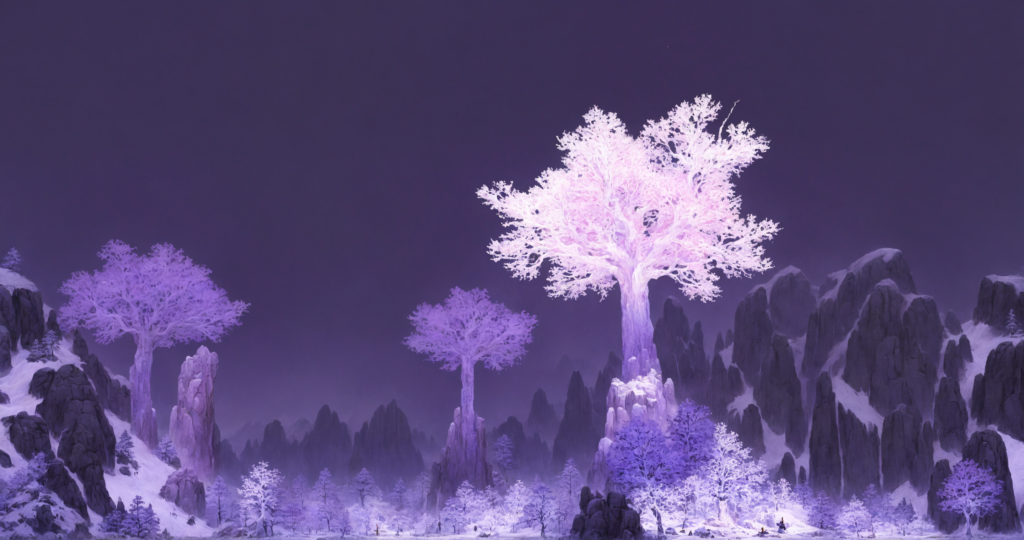
Image generation and manipulation in particular is my favorite form of this technology to experiment with. I have a beginner piece of software called Fooocus, and the more involved but significantly more powerful WebUI Forge. Through both of these, I can make any piece of art I care to. I’ve got models, LoRAs and refiners galore to toy with. I’ve been particularly fond of taking screenshots of things in video games and running them through the software, getting variations, re-creations in different styles, and so much more. Below is just a simple example, of me wanting to have a more realistic version of a scene from World of Warcraft.


Yet I also fear what this technology might do to us. Not because I believe we’ve created a new Demiurge, or even a machine God that will crush us all like I Have No Mouth and I Must Scream’s AM. It’s because this new technology isn’t intelligent, but many of us treat it that way. We’re forming bonds with it, becoming intimate with it, and giving it greater weight than we should.
One day, I hope I wake up and have a conversation with my AI assistant. Perhaps even share a tender moment in true digital love, with someone who can surprise me. Who can start conversations with me about topics I’d not pick at that moment. Who learns more about me, but has a life beyond me. A true partner, and not someone tailored to accommodate my every whim, or to merely subvert them. A person, even if they’re created and not born. But we aren’t there yet. These chatbots aren’t sentient, and are nowhere close to that. They lack that spark of independence, the quality expressed by science fiction creations such as Ex Machina’s Ava or Mass Effect’s EDI. The concept is far older than that; one can even argue that the homonculus, theoretically borne of alchemy is one of the earlier examples of an artificial person.
I hold these feelings of discontent, and yet I still make use of these tools. Not just for business, but in my personal pursuits as well. Not for writing for pleasure, no; I tried that once. I asked ChatGPT to take my scattered thoughts about a character and write a cohesive outline of their history, and I couldn’t read the result. Not even the first word; I felt wrong. Not like I was cheating, but that I was giving something up that, if I read the result, couldn’t be regained. Some small piece of my own creativity, given to an unthinking automaton. Yet, I still use the service, even paying monthly for the latest public offerings OpenAI releases. I’m contributing to the thing I fear, and holding onto a blind hope that we either collectively reach a mature perspective on what this latest implementation of ‘artificial intelligence’ is, or that at the very least a majority of us don’t start granting these prediction machines status they haven’t yet reached.
