This covers the first Assassin’s Creed, II, Brotherhood and Revelations. I did play Bloodlines in the past, but it’s been so long that I just remember they had a very large man named Moloch as a boss, and the end boss was a guy who was not Robert de Sable.
I played the first three years ago and thought they were fun—especially Brotherhood, which had an assassin recruit mini-game that to this day captivates me as a fun-yet-simple concept for a mobile game that I may one day actually try my hand at making. I started Revelations back then too, but apparently did not make it very far before dropping it. I still haven’t, this time due to technical glitches that’ve made me decide I’ll just watch the rest of the cutscenes and read the novelization.
Anyway, in a nutshell: I’m reminded why the series is so enduring even to this day (despite the lacking quality in the more recent releases from what I’ve heard.) Despite the first game’s repetitiveness, the story and adherence to the spirit of the historical period sucked me in. I couldn’t pull away; perhaps in part due to the fact that there aren’t really any games that combine good gameplay, a proper narrative and the Third Crusade setting from a non-Crusader perspective out there. It made me want to learn more about the minutae of life in the Holy Land from that era; not the battles or conquests of the Crusades, but to just find out more about daily living. I’ve found out that the general plot of AC1 is apparently inspired by a historical fiction novel by Vladimir Bartol, Alamut, so that may well be my next read after Revelation’s novelization.
My opinion of AC2/Brotherhood is largely equal, save for the following: AC2 has a more compelling narrative, Brotherhood has an excellent assassin’s guild mini-game, and I preferred AC2’s scope to Brotherhood and its sole focus on Rome. But the games as a whole? Starting from Ezio’s literal birth and following him from the tail end of idyllic youth to his middle age, leader of I presume all of Italy’s Assassins? It’s a testament to the writing of both that a game which covers such a lengthy timeframe doesn’t feel lacking. Plenty is left out, but I never felt like I was missing something. Looking back, Ezio’s shift from hotheaded, womanizing and borderline foolhardy to competent and collected was so natural I never once felt like he was out of character. The cast, especially of AC2 had not a single member I grew tired of, even the villains. Granted, I may be slightly biased because despite how repugnant Vieri de Pazzi is, he’s quite easy on the eyes. Still, even Savonarola was an enjoyable villain despite the game making me track down nine targets across all of Florence beforehand.
I’ve never studied the Renaissance beyond required grade school classes before, although I did have an enlightening primer in Renaissance art in the distant past. In fact, I still have the image files from that course. A few of my favorites are below:
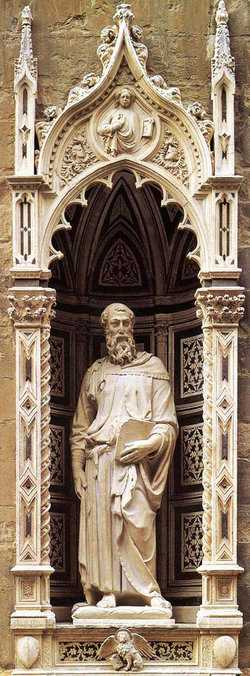
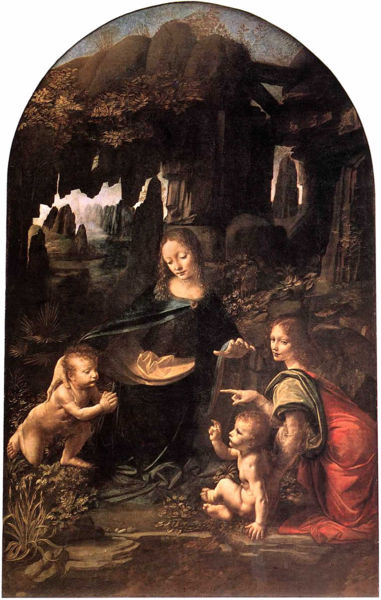
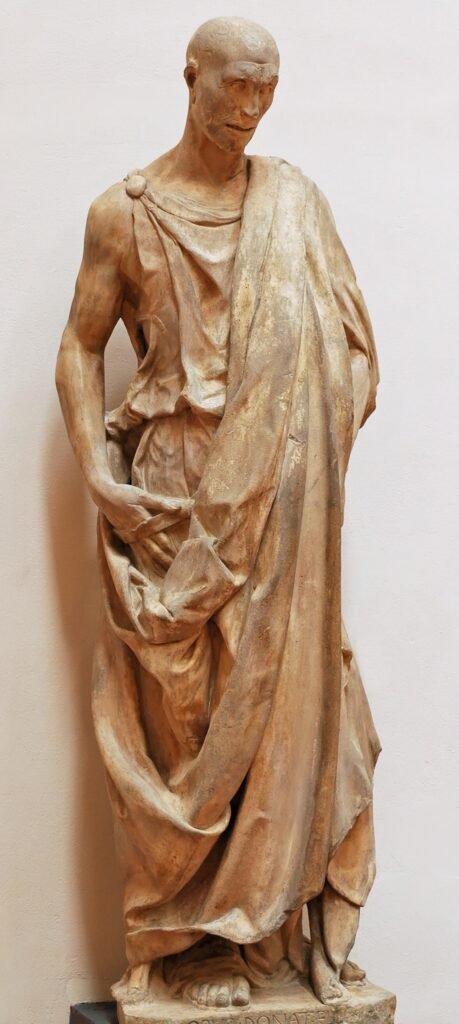
That little diversion aside, I’m eager to dive into more about fifteenth century Italy now. Hell, Italian history in general—beyond Roman civilization, since I already know a fair bit about the Roman Republic and outside of Marcus Aurelius I’m not much of a Roman Empire fan. Any empire, in fact. The Ottoman Empire is of interest to me because it’s the most recent (assuming you don’t define the Soviet Union as an empire), but that’s the sole exception. Hell, I was even looking up how difficult the Italian language is to learn just because it was so pleasant to listen to during the games, but I think I’ll stick with Spanish and wait until I’m comfortably fluent in that before I start branching off.
This is a bit meandering, but that’s what the Altair/Ezio games have done for me: reignited interest in history, specifically areas of history I’ve never really paid attention to beyond their existence. The narrative of the games are fantastic, truly—but the real world basis is what I’m craving. I want to see the same inspiration the game devs did, the writing team and the art team too. Especially the art team; those little single-family villas out in the fields are exactly my style.
I haven’t said much on Revelations since I’ve only played about an hour of it, and watched the last hour online after I had my technical difficulties. Seeing Ezio meet Altair’s corpse, and then actually speak to Desmond across centuries—with him acutely aware of how bizarre yet wondrous such a connection is the entire time—got me genuinely misty-eyed. The modern day plot is quaint overall in my opinion, but that idea, of an ancestor able to directly, knowingly speak to their descendant is a perfect piece of science fiction. Simple yet thought provoking, and something that is all but inconceivable right now. Yet in the future? Who knows what we may be able to do with the past. In a game with such a focus on presenting an accurate historical spirit, if not actual historical accuracy I wasn’t expecting such a pure yet subtle element of science fiction to fit so well, but I’m quite glad to be wrong.
Lastly, music? AC1 overall, but AC2 has some exceptionally fitting tracks. The blend of electronic notes and traditional Arabic instruments in AC1 (this track in particular) makes me hope this is an actual trend out there, just so I don’t wear the same twenty or so songs out over the next few weeks; however I’m not sure I can wear out this one from the second game. The tracks in Brotherhood were well made, but I found the heavy reliance on organs and Latin chanting tiresome after awhile. Yes, it’s Rome and the villains are the Borgias but that doesn’t mean it’s fun hearing that tremendously loud organ for the 20th time as I destroy another tower. Though, if I had to pick my favorite: probably this, although special mention to the unusually heavy riffs for the tank mission.
All in all, a superb quartet of games (quintet, since I remember Bloodlines to be fun for what it is as well) that I’m eager to replay in another ten years, as is apparently my custom. Who needs new?
